Professional Image Editing for Fashion Brands
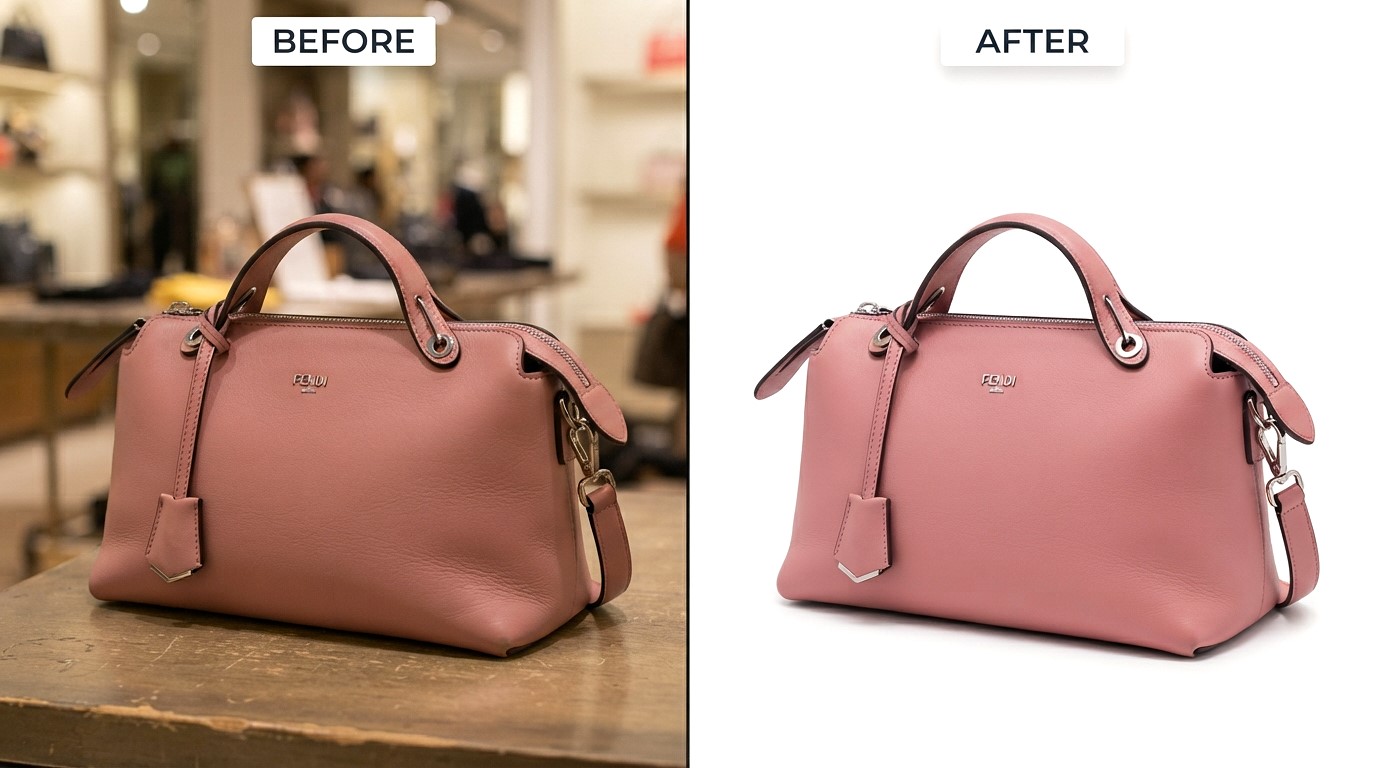
The fashion industry is highly competitive, and visual presentation plays a significant role in attracting customers, building brand recognition, and increasing online sales. Whether a business sells clothing, footwear, handbags, accessories, or luxury fashion products, high-quality images help communicate the value of its collections. In today's digital marketplace, customers often make their first impression of a fashion brand through product photographs displayed on websites, social media platforms, online marketplaces, and digital advertisements.
However, capturing an attractive photograph is only one part of creating professional fashion imagery. Images frequently require additional adjustments to achieve consistent colors, clean backgrounds, accurate product details, balanced lighting, and an appealing overall appearance. This is where professional image editing becomes an essential part of a fashion brand's marketing strategy.
Professional image editing for fashion brands helps transform ordinary product photographs into polished, visually consistent images that represent a brand's identity. From background removal and color correction to advanced retouching and image enhancement, professional editing techniques help fashion businesses present their collections more effectively.
In this article, we will explore the importance of professional fashion image editing, essential editing techniques, business benefits, and how fashion brands can choose the right image editing partner.
Why Professional Image Editing Matters for Fashion Brands
Fashion is a visual industry. Customers want to understand how clothing looks, how fabric behaves, what colors are available, and how carefully a product is designed before making a purchase.
Poor-quality photographs can create uncertainty, even when the actual products are excellent. Images with distracting backgrounds, incorrect colors, inconsistent lighting, or visible imperfections may reduce customer confidence.
Professional image editing addresses these challenges by improving the presentation of fashion products without misrepresenting their actual appearance.
Here are some important reasons why fashion brands should invest in professional photo editing:
• Creates a professional brand image: Consistent, polished photographs make a fashion business appear more trustworthy and established.
• Improves product presentation: Editing highlights important details such as fabric textures, stitching, patterns, buttons, and accessories.
• Maintains visual consistency: Similar lighting, colors, backgrounds, and image dimensions create a recognizable visual identity.
• Supports online shopping: Clear product photographs help customers understand what they are purchasing.
• Strengthens marketing campaigns: Professionally edited images are more suitable for advertisements, promotional banners, catalogs, and social media content.
• Improves customer confidence: Accurate and attractive product visuals help customers make more informed purchasing decisions.
For fashion businesses operating across multiple digital platforms, maintaining a professional visual standard is particularly important.
Essential Image Editing Services for Fashion Brands
Different fashion products require different editing approaches. A photograph of a leather handbag may need detailed edge refinement, while a clothing photograph may require fabric correction and wrinkle removal.
Understanding the available editing services helps brands select the right techniques for their product photography requirements.
Background Removal and Replacement
Background removal is one of the most frequently used image editing techniques in fashion eCommerce. Removing distracting backgrounds allows customers to focus on the product itself.
For example, a fashion brand may photograph several handbags against different backgrounds. Removing those backgrounds and placing the products on a consistent white or neutral background creates a clean and organized product catalog.
Professional background editing can help with:
• Removing unwanted objects and distracting elements.
• Creating clean white or transparent backgrounds.
• Replacing unsuitable backgrounds with brand-appropriate settings.
• Maintaining accurate product edges and natural outlines.
• Preparing images for eCommerce platforms and promotional materials.
The final result should look natural rather than artificially processed.
Color Correction and Consistency
Accurate colors are extremely important in fashion photography. Customers often select clothing and accessories based on their preferred colors, making color accuracy a major part of product presentation.
Lighting conditions, camera settings, and surrounding environments can affect how colors appear in photographs.
Professional color correction helps balance these differences while preserving the original product appearance.
Important color correction techniques include:
• Adjusting white balance.
• Correcting exposure and brightness.
• Balancing contrast and saturation.
• Maintaining consistent colors across product collections.
• Improving the visibility of fabric patterns and details.
For example, if a fashion brand sells the same dress in five different colors, each photograph should represent the actual product color as accurately as possible.
Fashion Photo Retouching
Even carefully captured fashion photographs may contain small imperfections. Dust, loose threads, unwanted marks, uneven lighting, and minor distractions can affect the overall presentation.
Professional retouching helps improve these details while maintaining a realistic appearance.
Common fashion photo retouching tasks include:
• Removing dust and unwanted spots.
• Cleaning minor fabric imperfections.
• Correcting wrinkles when appropriate.
• Improving texture visibility.
• Enhancing lighting and contrast.
• Refining product details.
The objective is not to make products look unrealistic. Instead, professional retouching should improve the photograph while preserving the authentic characteristics of the product.
Ghost Mannequin Editing
Ghost mannequin photography is particularly useful for clothing brands. It allows garments to appear as though they are being worn by an invisible model, helping customers understand the product's shape and structure.
This technique is widely used for shirts, jackets, dresses, sweaters, trousers, and other apparel products.
The process generally involves photographing a garment on a mannequin and combining multiple images to remove the mannequin from the final composition.
Ghost mannequin editing offers several advantages:
• Displays the natural shape of clothing.
• Highlights the interior neckline and garment structure.
• Creates consistent product catalog images.
• Reduces visual distractions.
• Provides a professional presentation without requiring a visible model.
It is especially useful for online clothing stores that want a consistent product photography style.
Shadow Creation and Image Enhancement
Shadows help fashion products appear more realistic and visually balanced. When a product is separated from its original background, it may look unnatural if no appropriate shadow is present.
Professional shadow creation adds depth and dimension to product photographs.
Common shadow styles include:
• Natural shadow for realistic product placement.
• Drop shadow for a subtle three-dimensional appearance.
• Reflection shadow for polished commercial product visuals.
• Contact shadow for grounding products on a surface.
• Long shadow for creative promotional designs.
The appropriate shadow depends on the product, background, and overall visual style of the brand.
How Professional Image Editing Improves Fashion eCommerce
Online fashion stores depend heavily on product photographs because customers cannot physically examine products before purchasing them.
Unlike traditional retail shopping, online customers rely on images to evaluate product appearance, color, design, and quality.
Professional editing helps fashion businesses create a better digital shopping experience.
Creates a Consistent Product Catalog
A consistent product catalog makes an online store look organized and professional.
Imagine visiting a clothing website where every product image has different lighting, background colors, image dimensions, and editing styles. The inconsistent appearance may make the store look less professional.
A standardized editing process helps maintain consistency throughout the catalog.
Brands should establish guidelines for:
• Background colors and styles.
• Image dimensions and resolution.
• Lighting and brightness.
• Product positioning.
• Color accuracy.
• Shadow intensity.
• Cropping and spacing.
Following these standards creates a more recognizable shopping experience.
Helps Customers Understand Product Details
Fashion customers often pay attention to small details before purchasing an item.
For example, someone purchasing a jacket may want to examine its stitching, zipper, buttons, collar, fabric texture, and overall shape.
High-quality editing can improve the visibility of these details without changing the actual product.
Clear photographs help customers understand product characteristics and make more confident purchasing decisions.
Supports Multiple Marketing Channels
Fashion brands rarely depend on a single marketing platform. They may publish product photographs on their websites, social media pages, online marketplaces, email campaigns, and digital advertisements.
Each platform may have different image requirements.
Professional image editing makes it easier to prepare suitable visual assets for multiple channels.
For example:
• Website product galleries require consistent product images.
• Instagram posts benefit from visually appealing compositions.
• Pinterest content needs attractive and properly formatted images.
• Facebook advertisements require clear promotional visuals.
• Digital catalogs need consistent layouts and professional presentation.
A well-organized image editing workflow allows brands to reuse product photography across different marketing channels.
Common Image Editing Mistakes Fashion Brands Should Avoid
Although editing can significantly improve product photography, incorrect editing decisions can damage the quality and authenticity of fashion images.
Brands should avoid the following mistakes:
Over-Retouching Product Images
Excessive retouching can remove important product characteristics. For example, removing every natural fabric texture may make clothing look artificial.
The goal should always be to improve presentation while preserving realistic product details.
Using Incorrect Product Colors
Changing colors too aggressively can create a difference between the displayed photograph and the actual product.
This can disappoint customers and potentially increase product returns.
Fashion brands should prioritize color accuracy over unnecessary visual enhancement.
Ignoring Background Consistency
Using unrelated backgrounds throughout a product catalog can weaken the visual identity of an online store.
A consistent background style helps customers focus on products and creates a more organized presentation.
Applying Unnatural Shadows
Shadows should match the product's shape, lighting direction, and surrounding environment.
Incorrect shadows can make products appear as though they are floating or artificially placed.
Using Low-Resolution Images
Low-resolution photographs may appear blurry or pixelated, especially when customers zoom in to examine product details.
Fashion brands should begin with high-quality source photographs and use appropriate editing and export settings.
Choosing the Right Professional Image Editing Company
Selecting a reliable image editing partner is an important decision for fashion businesses. The right service provider can help maintain quality, reduce repetitive editing work, and support large product photography projects.
Before selecting an editing company, fashion brands should evaluate several important factors.
Experience With Fashion Product Photography
Not every image editing company specializes in fashion products. Brands should look for service providers with experience editing clothing, footwear, handbags, jewelry, and accessories.
An experienced editing team is more likely to understand fabric textures, product edges, color accuracy, and industry-specific requirements.
Quality and Editing Consistency
A professional provider should deliver consistent results across different photographs.
Brands can request sample edits to evaluate:
• Edge accuracy.
• Background cleanliness.
• Color consistency.
• Retouching quality.
• Natural shadows.
• Overall image presentation.
Reviewing sample work helps businesses understand whether the editing style matches their expectations.
Bulk Image Editing Capabilities
Large fashion businesses may need hundreds or thousands of photographs edited for new collections and seasonal campaigns.
A reliable editing partner should have an organized workflow for handling bulk image processing while maintaining consistent quality.
Communication and Delivery Time
Clear communication helps prevent editing mistakes and unnecessary revisions.
Before starting a project, discuss image requirements, delivery expectations, revision policies, and preferred file formats.
A dependable service provider should understand the brand's instructions and follow them carefully.
Pricing and Long-Term Value
Price is an important consideration, particularly for businesses that require regular editing services.
However, choosing the cheapest option is not always the best decision.
Fashion brands should consider the overall value of the service, including editing quality, turnaround time, communication, and consistency.
Why Fashion Brands Should Outsource Professional Image Editing
Managing product photography and editing internally can become challenging as a fashion business grows.
Hiring and training an in-house editing team requires additional resources, software, equipment, and management.
Outsourcing allows businesses to access professional editing support without maintaining a large internal team.
Some important benefits include:
• Reduced operational costs: Businesses can avoid some of the expenses associated with maintaining a full-time editing department.
• More time for core activities: Marketing teams can focus on product development, sales, customer service, and brand promotion.
• Flexible production capacity: Editing requirements can increase during seasonal launches and promotional campaigns.
• Professional results: Experienced editors can handle specialized editing requirements.
• Improved workflow efficiency: A structured outsourcing process helps manage large volumes of product photographs.
For growing fashion brands, outsourcing can be a practical way to maintain visual quality while managing operational demands.
How to Build an Effective Fashion Image Editing Workflow
A well-planned editing workflow helps fashion businesses maintain consistency and reduce production delays.
Instead of treating every photograph as an individual project, brands should establish a repeatable process.
Step 1: Capture High-Quality Original Photographs
Professional editing begins with good source images. Use appropriate lighting, clean product arrangements, and suitable camera settings.
Photograph products from multiple angles when necessary.
Step 2: Create Clear Editing Guidelines
Prepare instructions explaining the preferred background, image dimensions, colors, retouching style, and shadow requirements.
Visual examples can help editors understand the desired results.
Step 3: Organize Product Images
Separate photographs according to product categories, collections, and editing requirements.
For example, create different folders for dresses, footwear, handbags, jackets, and accessories.
Step 4: Apply the Required Editing Techniques
Choose suitable editing methods for each product.
Some images may require background removal, while others may need advanced retouching, color correction, or ghost mannequin editing.
Step 5: Review the Final Images
Before publishing, check every photograph for quality and consistency.
Verify product colors, edges, dimensions, shadows, and overall appearance.
Step 6: Optimize Images for Different Platforms
Prepare images according to the technical requirements of the intended platform.
Use appropriate file formats, dimensions, and compression settings without unnecessarily reducing image quality.
Following these steps creates a repeatable process that supports long-term fashion brand growth.
The Future of Fashion Photography and Professional Image Editing
Fashion marketing continues to evolve as online shopping, social commerce, and digital advertising become increasingly important.
Customers expect attractive product visuals, detailed photographs, and consistent presentation across different platforms.
New photography and editing technologies are also changing how brands create visual content.
Artificial intelligence can assist with certain repetitive editing tasks, including background removal, image enhancement, and basic color adjustments. However, professional human editing remains valuable for complex requirements where precision, visual judgment, and attention to detail are essential.
Fashion brands should consider combining modern editing technologies with experienced professional editors.
This approach can help businesses improve production efficiency while maintaining quality and authenticity.
Some important trends shaping the future of fashion image editing include:
• More consistent product photography across digital platforms.
• Greater demand for high-resolution product images.
• Increased use of advanced background editing.
• More detailed fabric and texture enhancement.
• Faster image production for seasonal collections.
• Wider adoption of AI-assisted editing workflows.
• Greater emphasis on realistic product representation.
Brands that invest in a reliable visual production process will be better positioned to meet changing customer expectations.
Why Clipping Partner India Can Support Fashion Brand Image Editing Needs
Choosing the right image editing partner can make a meaningful difference in how a fashion business presents its products online.
Clipping Partner India provides professional photo editing solutions designed to help businesses improve their product images and maintain a consistent visual presentation.
Fashion brands looking for dependable editing support can explore its professional image editing for fashion brands solutions to understand how professional image enhancement can support their visual content requirements.
From background improvements and image refinement to product-focused editing, the right editing workflow can help businesses prepare polished photographs for websites, eCommerce stores, catalogs, and marketing campaigns.
When evaluating an editing partner, brands should communicate their requirements clearly and review sample results before starting a large project.
A professional approach to image editing can help businesses maintain consistent quality as their product collections and marketing activities expand.
Conclusion
Professional image editing is an important part of building a successful fashion brand in today's competitive digital marketplace. High-quality product photographs help businesses communicate product details, maintain brand consistency, and create a positive shopping experience.
From background removal and color correction to fashion retouching, ghost mannequin editing, and shadow creation, different editing techniques serve different purposes. When used correctly, they transform ordinary product photographs into polished visual assets that support marketing and eCommerce activities.
Fashion brands should focus on realistic editing, accurate product colors, consistent backgrounds, and high-quality image presentation. They should also establish clear editing guidelines and work with experienced professionals who understand their specific requirements.
Ultimately, investing in professional image editing is not simply about making photographs look attractive. It is about presenting products professionally, strengthening customer confidence, and building a recognizable fashion brand across digital platforms.
As the fashion industry continues to grow online, businesses that prioritize high-quality visual content will have more opportunities to create memorable customer experiences and establish a stronger market presence.
Originally published at https://carphotoeditinglab.com/professional-image-editing-for-fashion-brands/.


Comments
Post a Comment